
The Best Green Juice Recipe
If you’re a little apprehensive about drinking green juice, I hear you. But I promise that this is the best green juice recipe you will ever try!
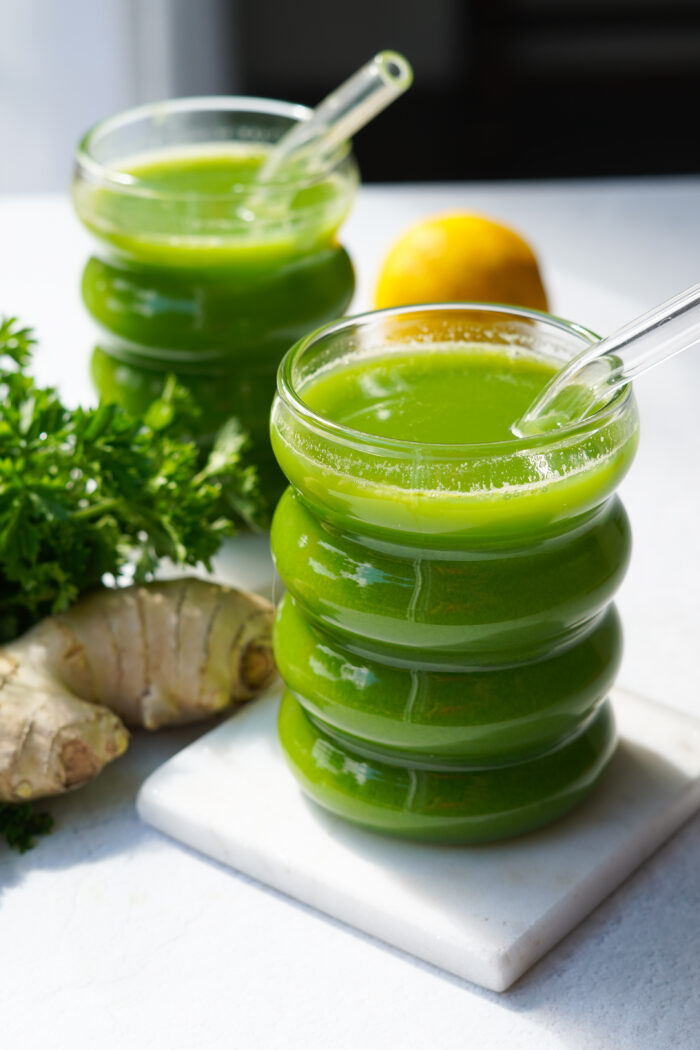
We all know that green juices and smoothies are good for us… But unless you get the right balance of flavors, a green juice can be impossible to drink.
So what makes this the best green juice recipe? Precisely the balance I mentioned earlier. Between kale, ginger, apple, cucumber, and lemon, you have a delicious juice packed to the brim with nutrients!
Benefits of Green Juice
Green juice, typically made from a variety of leafy green vegetables, is often promoted for its potential health benefits. While individual experiences may vary, here are some potential benefits of consuming green juice:
- Nutrient Intake. Green juice can be a concentrated source of essential nutrients like vitamins (A, C, K), minerals (iron, magnesium, potassium), and antioxidants. These nutrients are crucial for various bodily functions, including immune support, skin health, and cell repair.
- Hydration. Green juices are often made using hydrating ingredients like cucumber and celery, which can contribute to overall hydration, especially if you find it challenging to drink enough water throughout the day.
- Detoxification. Some proponents claim that the combination of various greens can help support the body’s natural detoxification processes by providing nutrients that aid in liver function. However, the body’s detoxification processes are complex and not solely dependent on consuming green juice.
- Digestive Health. Certain greens, like kale and spinach, are rich in fiber, which can aid digestion and promote a healthy gut microbiome. Fiber supports regular bowel movements and can help prevent constipation.
- Antioxidant Support. Leafy greens are rich in antioxidants, which help protect cells from oxidative stress and potential damage caused by free radicals. Antioxidants are associated with reducing the risk of chronic diseases.
It’s important to note that while green juices offer potential benefits, they are not a replacement for whole vegetables in your diet. That said, it’s a great way to consume more leafy greens in you are not a fan.
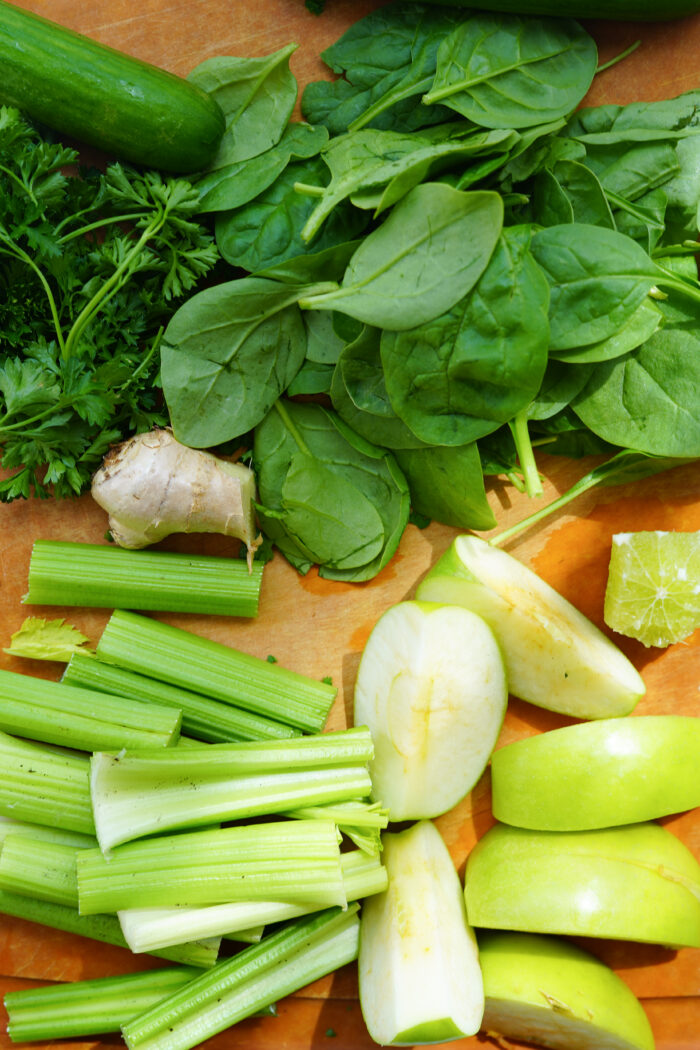
Why You’ll Love This Recipe
- Store-bought juices might have added sugars and preservatives, so making your own at home using fresh ingredients is generally a good idea.
- Some people are hesitant about making juice at home because they don’t want another bulky appliance in their kitchen. Which is totally fine, as long as you already have a blender and a mesh sieve!
- Personally, I find that some green juices can be overwhelmingly green. What I mean by that is not enough sweetness or acidity to balance the flavor of cucumber or celery. This recipe, on the other hand, tastes delicious!
- It’s not too sweet. Some people can’t drink regular fruit juice due to preference or medical conditions. This green juice can provide a welcome alternative.
- The reason I consider this the best green juice is because it is a powerhouse of nutrients. I’ve done a separate breakdown below of all the amazing things this juice contains.

The Best Green Juice Nutrient Breakdown
Let’s take a look at the listed ingredients and the major nutrients they contain as well as ways in which they affect the body.
Overall, the combination of these ingredients provides a wide array of vitamins, minerals, antioxidants, and dietary fiber that collectively support immune function, skin health, digestion, bone health, and various bodily processes. Keep in mind that the benefits mentioned are based on the individual nutrients found in these ingredients and their potential effects on the body.
Spinach or Kale
These leafy greens are rich in vitamins A, C, K, and folate. They also provide minerals like iron, magnesium, and potassium.
- Vitamin A supports vision, immune function, and skin health.
- Vitamin C is an antioxidant that boosts the immune system, supports skin health, and aids in wound healing.
- Vitamin K is essential for blood clotting and bone health.
- Folate is crucial for cell division and is particularly important during pregnancy.
- Iron helps transport oxygen in the blood and supports energy production.
- Magnesium is important for muscle and nerve function, as well as bone health.
- Potassium helps regulate fluid balance, nerve signals, and muscle contractions.
Fresh Ginger
Ginger contains gingerol, a bioactive compound with anti-inflammatory and antioxidant properties.
- Ginger has anti-inflammatory effects that may help reduce pain and inflammation.
- It may aid digestion, alleviate nausea, and support gastrointestinal health.
- The antioxidants in gingerol help combat oxidative stress and protect cells from damage.
Granny Smith Apple
Apples are a good source of dietary fiber and vitamin C. Although we will not be using any fiber in this recipe, there is a way to repurpose the pulp so that he dietary fiber is not lost.
- Dietary fiber supports digestive health, aids in regular bowel movements, and may help manage blood sugar levels.
- Vitamin C boosts the immune system, supports skin health, and acts as an antioxidant.
Celery
Celery provides vitamin K, potassium, and dietary fiber. Once again, wether you use a juicer or a blender, don’t throw away the pulp!
- Vitamin K is important for blood clotting and bone health.
- Potassium helps regulate blood pressure and supports heart health.
Cucumber
Cucumbers contain vitamins K and C, as well as minerals like potassium. Along with the apples, they will be the main source of water for this juice recipe.
- Vitamin K is important for blood clotting and bone health.
- Vitamin C is an antioxidant that supports the immune system and skin health.
- Potassium helps regulate fluid balance and supports heart health.
Parsley
Parsley is rich in vitamins K, C, and A, as well as folate and iron.
- Vitamin K is important for blood clotting and bone health.
- Vitamin C supports the immune system and skin health.
- Vitamin A is essential for vision and immune function.
- Folate is crucial for cell division and may help prevent neural tube defects during pregnancy.
- Iron supports oxygen transport in the blood.
Lemon
Lemons are high in vitamin C and also provide small amounts of potassium and fiber.
- Vitamin C boosts the immune system, supports skin health, and acts as an antioxidant. It also aids the body in absorbing iron.
- Potassium supports heart health and fluid balance.
How to Make The Best Green Juice
Wash your fruit and vegetables, and then juice the ingredients as listed.
If you do not have a juicer, don’t worry! Simply blend all ingredients with 3 cups of water, then strain through a fine mesh sieve or a nut milk bag.
Don’t throw away the pulp! You can easily transform it into homemade greens powder and get even more benefits from the handful of ingredients you had.
Hack It!
- If you don’t drink it straight away, store the juice in a sealed container for up to 3 days.
- This balance of flavors works perfectly for me, but you might find that you need to tweak it to your taste slightly. Especially allowing some discrepancy for the size of the fruit and veggies you use.
- In the interest of being scrappy, I suggest that you swap or add ingredients if you need to use something up. For instance, if you don’t have enough spinach, instead of buying a brand new bag, add some kale or chard.
- Similarly, lime or grapefruit can be a fabulous replacement for the lemon juice.
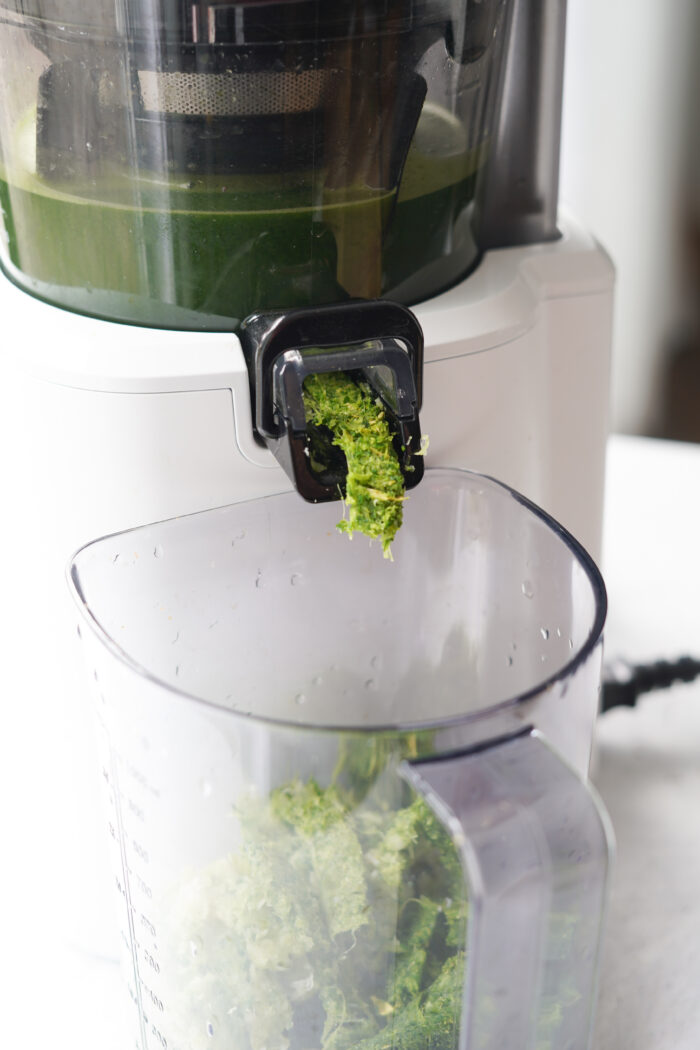
To Juice or To Blend?
Let’s consider all the pros and cons. On one hand, if you have a juicer, it’s the perfect appliance for this green juice recipe. It’s usually quite easy to use, doesn’t require extra steps like chopping or peeling, and then the pulp is readily available.
On the other hand, unless you already own a juicer, I am a big advocate for using what you have. Sure, blending the ingredients and straining the juice takes more effort, but a blender is much more versatile appliance than a juicer.
Personally, I am quite partial to Ninja kitchen appliances. If you don’t have a blender yet, I would definitely recommend one of their high-speed blenders as a budget-friendly and efficient option.
Other Recipes You’ll Love
- Zero Waste Cucumber Mojito
- Dalgona Matcha
- Ginger Juice, Tea, and Spice
- Homemade Electrolyte Drinks
- Pink Protein Smoothie
For those who lean towards a more dynamic cooking approach, take a look at the PlantYou Planner! This fully customizable meal planning app offers an extensive repository of uncomplicated vegan recipes. You even have the fantastic opportunity to explore the free version of the app, granting you access to 25 exceptional plant-based meals, including our signature beginner vegan meal plan. So, what’s holding you back?
The Recipe: The Best Green Juice Recipe
Ingredients
- 3 cups spinach , or kale
- 1 inch fresh ginger
- 1 Granny Smith apple
- 5 stalks celery
- 1 cucumber
- 1 handful parsley
- 1 lemon, peeled
Equipment
- Juicer or blender
Instructions
- Wash the vegetables thoroughly, and then juice in the order listed. If you do not have a juicer, blend all ingredients with 3 cups of water, then strain through a fine mesh sieve.
- Store the juice in a sealed container for up to 3 days. Reserve the pulp for green powder recipe.